

“`html
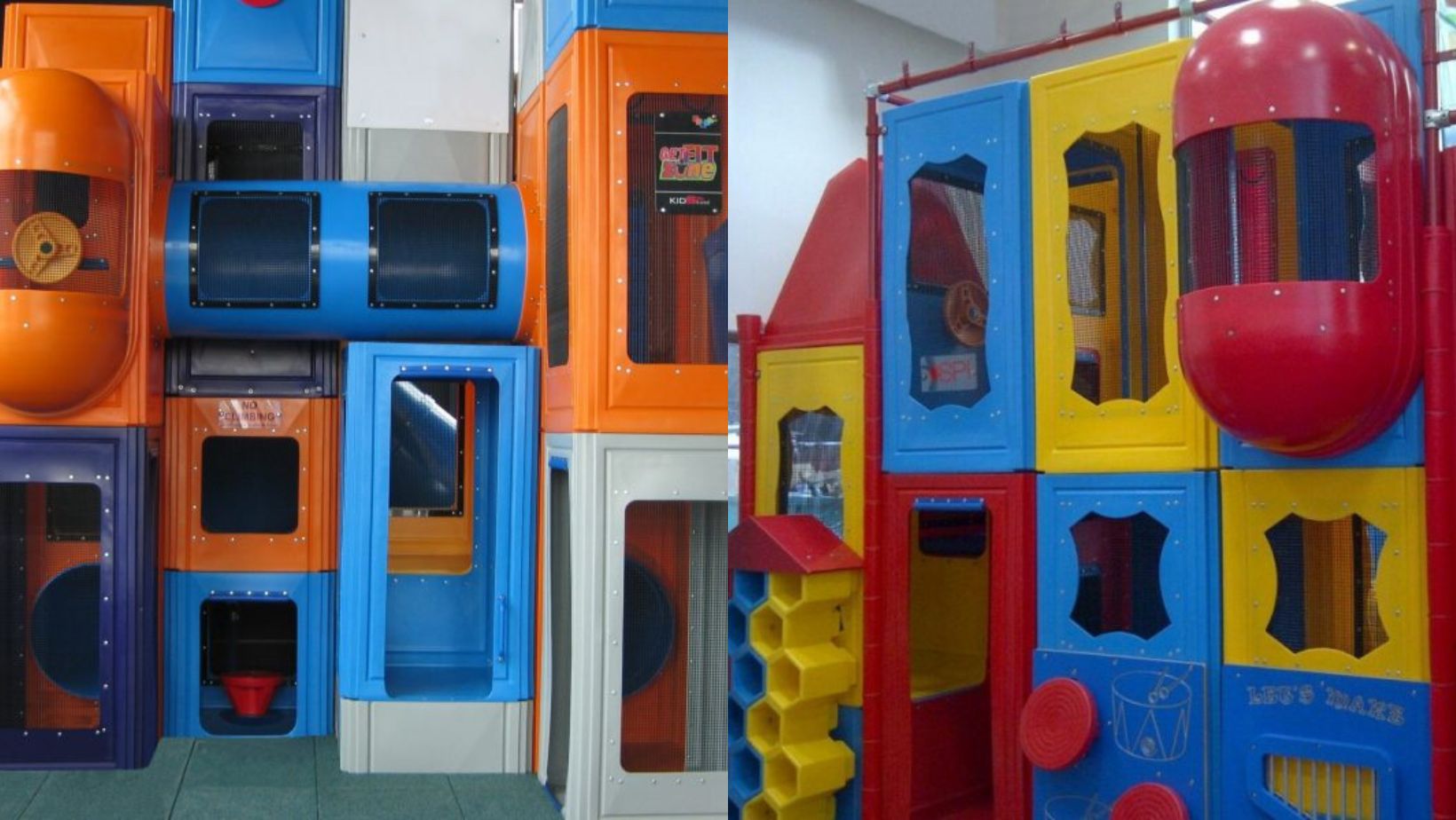
Opening an indoor playground can seem simple when you first picture it. Find a building, fill it with exciting equipment and invite families inside. Once planning begins, though, it becomes clear that several moving parts need to come together before opening day.
For many entrepreneurs, it can take approximately six to twelve months to open an indoor playground business. A smaller project in a suitable, ready-to-use building may move faster. A larger facility that requires custom equipment, renovations or extensive approvals could take longer.
There is no universal schedule. Your location, budget, design, equipment, permits and construction requirements will all shape the final timeline. Understanding these stages early can help you set realistic expectations and avoid announcing an opening date before the project is ready.
What Is Included in an Indoor Playground Opening Timeline?
Your indoor playground opening timeline begins well before equipment is manufactured. It starts with researching the local market and continues through location selection, facility preparation, installation and staff training.
Most projects involve the following stages:
- Market research and business planning
- Financing and budgeting
- Finding a suitable facility
- Developing the playground layout
- Applying for permits and approvals
- Preparing or renovating the building
- Manufacturing and delivering the equipment
- Installing and inspecting the playground
- Hiring and training staff
- Preparing for the grand opening
Some of these steps can overlap. Others depend on decisions made earlier in the project. You can begin developing your brand while looking for a location, for example, but the final equipment design will require accurate measurements from the selected building.
Stage One: Research the Market and Develop Your Business Plan
Before committing to a property or equipment package, determine what kind of indoor playground your community can support.
Research the number of families with children in your target area. Look at nearby play centres, trampoline parks, recreation facilities and other family attractions. Consider what ages they serve, what they charge and which services they offer.
This research can help you decide if your business will focus on open play, birthday parties, memberships, private events or a combination of revenue sources.
Your business plan should then account for the full cost of opening. The equipment may be a major part of your investment, but it is not the only expense. Your budget may also need to cover rent, renovations, permits, flooring, delivery, installation, insurance, staffing, technology and pre-opening marketing.
Securing financing can affect the schedule, so it is helpful to begin that process as early as possible.
Stage Two: Find a Suitable Location
Finding the right location is often one of the least predictable stages when starting an indoor playground business.
A property may have enough square footage but still be unsuitable for the playground you have in mind. Low ceilings, support columns, limited parking or difficult delivery access can restrict your design. Other buildings may require extensive electrical, ventilation, washroom or fire-safety work before they can open to the public.
Before signing a lease, review:
- Usable floor space
- Ceiling height
- Columns and permanent obstructions
- Entrances and emergency exits
- Washrooms and accessible routes
- Parking and drop-off areas
- Heating, cooling and ventilation
- Loading and equipment-delivery access
- Zoning and permitted use
Requirements vary between municipalities, provinces, states and countries. Speak with the appropriate local authorities and qualified professionals before committing to a property. Confirming the building’s suitability early can help prevent expensive changes later.
Stage Three: Design the Playground and Select the Equipment
Once a location has been selected, the playground can be designed around its actual dimensions.
The design process begins with your target age range, expected capacity, budget and preferred play experiences. From there, you can choose playground equipment that supports those goals. You may want a separate toddler area, active climbing equipment, themed features or party spaces. The layout should also give parents clear sightlines and provide enough room for people to move comfortably through the facility.
Developing the design requires accurate information about the building. Floor plans should identify ceiling heights, columns, entrances, emergency exits and any areas that cannot contain equipment.
Revisions are a normal part of the indoor playground planning process. The goal is to find the right balance between play value, available space, customer flow and budget. Frequent changes after the layout has been approved, however, may affect the production schedule and overall cost.
Stage Four: Obtain Approvals and Prepare the Facility
Permits and approvals should be investigated early rather than left until the equipment is ready.
Depending on the location and scope of the business, you may need to address:
- Zoning
- Building permits
- Occupancy requirements
- Fire and emergency-access requirements
- Accessibility
- Business licensing
- Food-service approvals
- Final safety inspections
At the same time, the building may need flooring, lighting, electrical work, ventilation changes, washroom improvements or new reception and party areas.
Some facility preparation can take place while the playground equipment is being manufactured. This overlap may help shorten the schedule, but only when the contractors and equipment provider are working from the same approved plans.
Stage Five: Manufacture, Deliver and Install the Equipment
The production timeline for commercial indoor playground equipment depends on the project’s size and complexity. Custom colours, themed components and unique layouts may require more time than a simpler equipment package.
Before manufacturing begins, the final design and equipment selections generally need to be approved. Late changes at this stage can delay production or require the design to be reviewed again.
Once the equipment is complete, time must also be allowed for shipping, delivery and installation. Distance, freight schedules and border requirements may affect delivery. The building must also be accessible for unloading and moving the components into the installation area.
This is one reason to avoid setting a firm grand-opening date too early. Wait until the production, delivery and installation schedules are reasonably clear.
Stage Six: Prepare Your Team and Business for Opening
The equipment is only one part of the customer experience. Before opening, your staff and operating systems also need to be ready.
The final stage may include:
- Hiring and training employees
- Establishing playground rules
- Creating cleaning and inspection schedules
- Finalizing admission and membership pricing
- Developing birthday party packages
- Setting up booking and payment systems
- Arranging insurance
- Preparing waivers and customer policies
- Marketing the opening
A soft opening can help your team practice check-in procedures, supervise the playground and see how families move through the space. It also gives you an opportunity to correct small operational issues before a larger grand opening.
What Can Delay an Indoor Playground Opening?
Some delays are outside your control, but many can be reduced through early planning.
Common causes include:
- Difficulty finding an appropriate property
- Financing delays
- Unexpected permit requirements
- Inaccurate building measurements
- More renovation work than anticipated
- Repeated changes to the approved design
- Contractor scheduling
- Shipping complications
- Inspection delays
- Corrective work required before opening
Build some flexibility into your schedule. A timeline that leaves no room for revisions, approvals or unexpected building work can quickly become unrealistic.
How Can You Keep the Project on Schedule?
Start by identifying which decisions affect everything that follows. The location, budget and final equipment layout are major milestones. Delays in these areas can shift the rest of the schedule.
Provide accurate building information and establish who will approve design decisions. Keep your landlord, contractors, equipment provider and local professionals informed when plans change.
It may also help to separate opening-day essentials from features that could be introduced later. If the initial layout accounts for future growth, you may be able to open with a strong core playground and expand once the business is established.
Most importantly, base your launch date on confirmed progress instead of an ideal target.
When Should You Contact an Indoor Playground Equipment Provider?
You can begin speaking with an equipment provider before you have signed a lease. An early conversation can help you understand the space, ceiling height and access conditions your proposed playground may require.
Once you are considering a specific property, provide the available floor plan and as much building information as possible. This allows the equipment provider to identify potential constraints and discuss how the space could be used.
If you are asking how long it takes to design and install an indoor playground, the most accurate estimate will come from reviewing your actual facility and project goals. Size, customization, location and installation access can all affect the answer.
Start Planning Your Indoor Playground With SPI Plastics
The time required to open an indoor playground business will depend on your building, equipment and local approval process. Bringing the right professionals into the project early can help you make better decisions and develop a more dependable schedule.
SPI Plastics designs and manufactures durable indoor playground equipment for commercial play spaces. If you are evaluating a property or developing an indoor playground concept, contact SPI Plastics to discuss your space, audience and equipment needs.
“`